For decades, we have trapped ourselves in an "end-of-pipe" mentality, treating marine debris as a mere cleanup challenge. However, when we focus solely on recovery, recycling, and subsidies after the damage is done, we are chasing symptoms, not the cure.
The fundamental question we must confront is not "How much can we retrieve?" but "Why does the flow of waste into our oceans never cease?"
Among the myriad sources of pollution, fishing gear stands as the systemic core. According to UNEP and FAO research, Abandoned, Lost, or otherwise Discarded Fishing Gear (ALDFG) represents over 10% of marine plastic waste. Yet, its impact measured by weight and ecological lethality, is far more profound. Fishing gear is the "heart" of the crisis not just because of its volume, but because of its "persistent hostility" toward life.
Lost gear transforms into "Ghost Fishing," a silent predator that haunts our oceans, entangling life and eroding ecosystems long after its human utility has ended. This reality highlights a critical truth: the crisis of marine debris is not merely about "visible materials"; it is rooted in "invisible systems" and obsolete business models.
Therefore, our advocacy for "Fishing Gear as a Service" (FGaaS) is not just a technical fix. It is a "Circular Good Idea" designed to reset the very DNA of responsibility and incentive at the source.
I. Why FGaaS is the Genesis of True Governance
Current governance remains shackled to a "linear logic" of ownership transfer. In a "buy-and-discard" model, once gear is sold, the producer’s responsibility vanishes. The resulting ecological debt is externalized, leaving the ocean and society to pay the price.
The core of FGaaS is to dismantle this logic. Fishing gear must transition from a disposable commodity to a Service-Based Asset, one that is managed, tracked, recovered, and perpetually redesigned for the next cycle.
- From Users to Partners: Fishers are no longer just consumers; they become essential collaborators within a managed service ecosystem.
- From Volume to Value: Manufacturers shift from chasing sales through planned obsolescence to prioritizing durability, modular repair, and digital identity.
- From Accident to Risk: Gear loss is no longer an "unfortunate accident" but an operational risk that the system is incentivized to prevent by design.
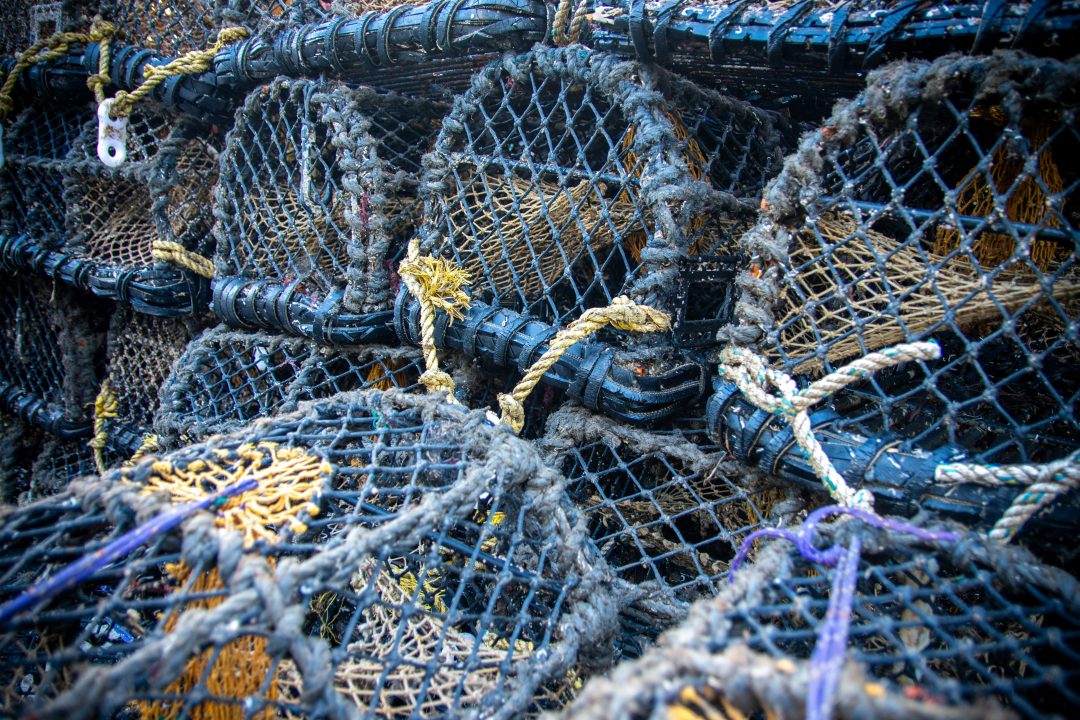
This is not "recycling more"; it is designing out waste from the beginning.
Since 2020, the Circular Taiwan Network (CTN) has spearheaded a systematic approach to fishing gear and marine debris. Our work spans cross-sector workshops, in-depth research reports, and international exchanges. The conclusion that "fishing gear is the core of marine debris" is not a fleeting observation; it is a conviction forged through years of dedicated field engagement and rigorous validation.
Our initiatives include:
- Cross-Sector Policy Dialogue: We have co-hosted numerous "Marine Debris Micro-workshops" with government agencies, facilitating direct conversations between fishers, manufacturers, and recyclers to align interests and responsibilities.
- Knowledge Leadership: We published the landmark report, Circular Economy—A Model to Transform Marine Debris into Resources Report (2020), which systematically compiles Taiwanese and international expertise in fishing gear governance.
- Global Knowledge Exchange: Through keynote addresses and international platforms, such as GCTF, we have shared Taiwan’s pioneering experiences with partners across the Indo-Pacific region.
Beyond mere advocacy, these efforts have crystallized a definitive strategic direction: "Unless we return to the very architecture of design, usage, and responsibility, marine debris governance will forever remain a strategy of treating symptoms rather than the cause."
II. From EPR to ECO: Internalizing the Future
While Extended Producer Responsibility (EPR) has been a useful tool, it remains a remedial measure of the linear economy. It asks producers to take responsibility for a product they no longer own or control.
Under the FGaaS model, a more potent concept emerges: Extended Circular Ownership (ECO). When service replaces sales, ownership, and thus responsibility is internalized.
- Damaged gear is no longer a waste problem; it is an asset loss.
- Poor design is no longer an external cost; it is an internalized risk.
- Recovery is no longer a compliance burden; it is a value-capture strategy.
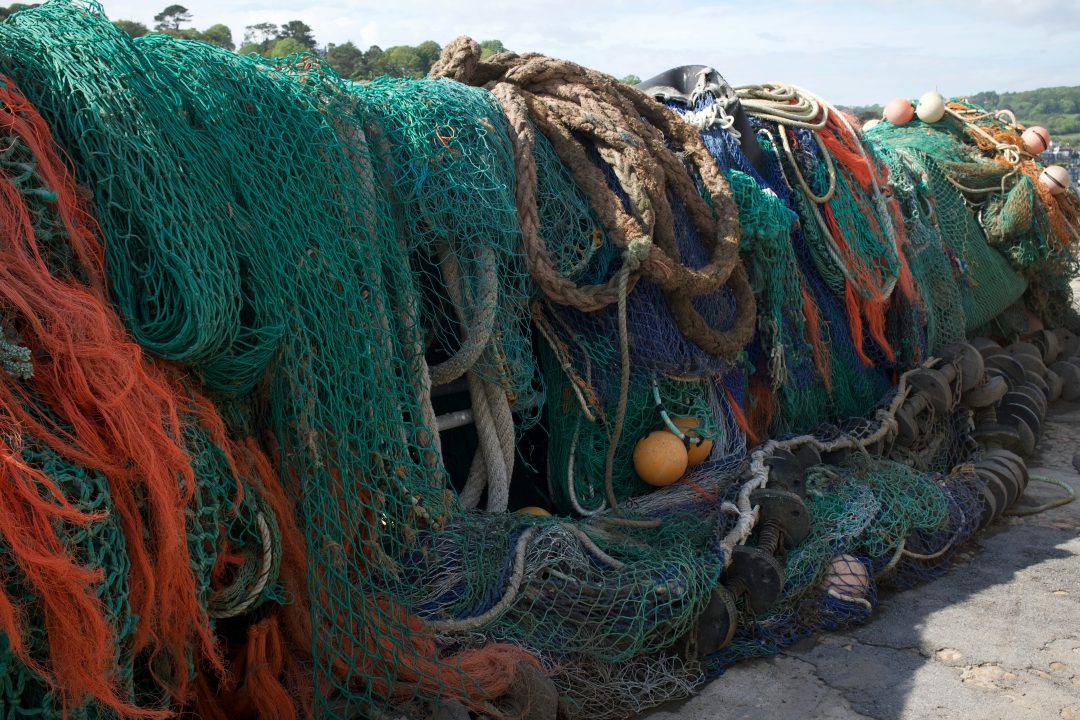
III. The Path Forward: Six Policy Levers
“Good governance” is the art of creating an environment where the "right business models" can scale. To mainstream FGaaS and its inherent ECO model, we must simultaneously activate six strategic levers:
- Eliminate regulatory and institutional barriers.
- Incentivize Circular Procurement.
- Provide targeted Funds and Financing.
- Modernize Circular Tax and Accounting standards.
- Accelerate R&D and Digitalization.
- Cultivate Circular Talent and Leadership.
These levers are not about tightening control; they are about Redefining Demand and Redesigning the Ecosystem.
Starting from Taiwan—Making "FGaaS" a Global Language for Action
The ocean knows no borders, and the crisis of fishing gear cannot be resolved by any single nation in isolation. Since 2020, through our workshops, research, and international forums, the Circular Taiwan Network has fostered an ongoing dialogue with government, industry, and global partners. Together, we have built a foundation of consensus and practical experience in the circular governance of fishing gear.
It is with this momentum that we look forward to our dialogue with IGES this March. Our goal is to formally integrate "Fishing Gear as a Service" (FGaaS) and "Extended Circular Ownership" (ECO) into the broader policy discourse of Asian marine governance and the circular economy.
"Fishing Gear as a Service" marks a fundamental shift: from "Who will clean up?" to "Who will take responsibility?”, moving from linear remediation to circular design. The "Circular Trilogy" provides a clear roadmap: starting with a Good Idea, enabled by Good Governance, and ultimately transforming the circular economy into a Good Business that truly works for the world.
作者:黃育徵(循環台灣基金會董事長)
原文刊載於獨立評論2026/02/04 「海廢治理」治標更要治本:從「漁具服務化」的循環好主意出發